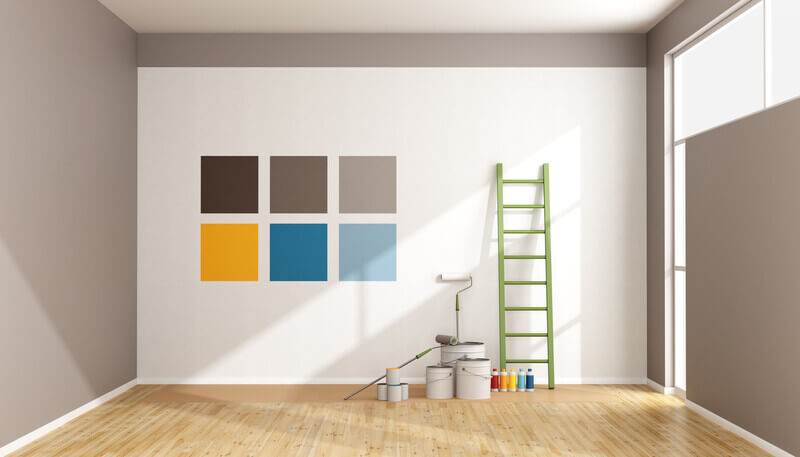

- Refined tastes and bon rush deliver striking interior design inspiration today
- The Appeal of Textured Surfaces
- Layering Textures for Impact
- The Power of a Bold Color Palette
- Integrating Color Through Accessories
- The Rise of Biophilic Design
- Key Elements of Biophilic Design
- Sustainable and Ethical Choices
- The Enduring Appeal of Maximalism
- Developing a Personal Aesthetic: Beyond Trends
Refined tastes and bon rush deliver striking interior design inspiration today
The world of interior design is constantly evolving, driven by innovative concepts and a desire for spaces that reflect both personality and sophistication. Increasingly, homeowners and designers are seeking aesthetics that move beyond the mundane, embracing styles that are bold, tactile, and deeply considered. This pursuit of refined tastes is where the concept of a bon rush of inspiration truly takes hold, sparking creativity and leading to stunning transformations in both residential and commercial settings. It represents a break from the predictable, a willingness to experiment with textures, colors and forms.
Contemporary interior design is shaped by numerous influences, from minimalist Scandinavian principles to the opulent maximalism of various historical periods. The current landscape, however, increasingly favors spaces that feel curated and authentic, prioritizing quality over quantity and investing in pieces that tell a story. This leads to the integration of artisanal crafts, vintage finds, and bespoke elements, all contributing to a harmonious blend of comfort and style. Designers are leaning towards creating immersive experiences, where every detail contributes to a sense of well-being and elevates the everyday.
The Appeal of Textured Surfaces
One of the most notable trends in modern interior design is the emphasis on tactile experiences. Forget the cold, smooth surfaces of the past; today’s interiors embrace texture in all its forms. From the rough-hewn beauty of reclaimed wood to the plush comfort of bouclé fabrics, texture adds depth, visual interest, and a sense of warmth to any space. This shift reflects a desire for spaces that engage the senses, inviting touch and creating a more inviting atmosphere. The use of textured wallpaper, adding subtle dimension to walls, is also becoming extremely common. This isn’t limited to just visual texture; materials with varying tactile qualities contribute to a richer, more stimulating environment. Materials like concrete or natural stone create an organic feel, grounding the space and establishing a connection with nature.
Layering Textures for Impact
The key to successfully incorporating texture lies in layering. Don't be afraid to combine different materials and finishes to create visual complexity. A velvet sofa paired with a jute rug and linen curtains is a classic example of this. Introducing metallic accents, like brushed brass or hammered copper, can also add a touch of sophistication and contrast. Varying the scale of textures is equally important – a large-scale woven wall hanging complements smaller, more delicate textured accessories. When using varying textures, ensure the color palette remains cohesive, otherwise, the space can appear chaotic and disjointed. The right combination of textures brings forth an atmosphere of balance and visual appeal.
| Material | Texture Type | Common Applications |
|---|---|---|
| Bouclé | Looped, soft | Upholstery, throw pillows, rugs |
| Reclaimed Wood | Rough, weathered | Wall cladding, furniture, flooring |
| Linen | Natural, slightly textured | Curtains, upholstery, bedding |
| Concrete | Smooth or rough, industrial | Flooring, countertops, accent walls |
The thoughtful addition of textured surfaces can transform a space from sterile and impersonal to warm and inviting. It’s about creating a sensory experience that elevates the everyday and fosters a sense of comfort and well-being, perfectly aligning with the pursuit of that bon rush of design inspiration.
The Power of a Bold Color Palette
While neutral palettes have long dominated the interior design world, there's a growing trend towards embracing bolder, more expressive colors. This doesn't necessarily mean painting every wall a shocking shade of pink; it's about using color strategically to create focal points, define spaces, and inject personality. Deep jewel tones like emerald green, sapphire blue, and ruby red are particularly popular, adding a touch of luxury and drama. Furthermore, designers are utilizing color blocking—juxtaposing contrasting hues—to make a statement and break up monotony. The return of earthy tones, inspired by the natural world, is also prevalent, bringing a sense of calm and grounding into interior spaces.
Integrating Color Through Accessories
If you're hesitant to commit to a full-scale color overhaul, there are plenty of ways to incorporate color through accessories. Throw pillows, artwork, rugs, and decorative objects are excellent avenues for introducing vibrant hues without making a permanent change. Playing with different shades and saturations within a single color family also adds depth and visual interest. For instance, combining various shades of blue—from pale sky blue to deep navy—can create a calming and sophisticated effect. Accessorizing with colorful items offers the flexibility to change up the look of a room with the seasons or simply when a fresh aesthetic is desired. Properly used, accessories can dramatically impact the overall design.
- Jewel tones create a luxurious and dramatic effect.
- Earthy tones bring a sense of calm and grounding.
- Color blocking adds visual interest and defines spaces.
- Accessories offer a flexible way to incorporate color.
Don’t underestimate the impact that a thoughtfully curated color palette can have on the overall ambiance of a room. Embracing colors that resonate with your personality and style is crucial in creating a space that feels truly authentic, exemplifying the invigorating feeling of a bon rush in design.
The Rise of Biophilic Design
Biophilic design, the practice of connecting people with nature, has gained significant traction in recent years, and its influence continues to grow. This approach centers on incorporating natural elements into interior spaces to promote well-being, reduce stress, and enhance creativity. Bringing the outdoors in isn’t just about adding plants; it’s about mimicking natural patterns, textures, and light in the built environment. Natural materials like wood, stone, and bamboo are often used, along with ample natural light and ventilation. Furthermore, incorporating organic shapes and forms, inspired by nature, can contribute to a sense of harmony and tranquility.
Key Elements of Biophilic Design
Several key elements contribute to successful biophilic design. Besides incorporating plants, consider using natural light sources to the fullest extent possible. Mirrors strategically placed can help distribute light and create the illusion of more space. Natural ventilation is equally crucial, providing fresh air and reducing reliance on artificial climate control. Pay attention to incorporating natural patterns, like wood grain or stone veining, into surfaces and materials. Introducing water features, such as small fountains or aquariums, can also contribute to a calming and restorative atmosphere. Ultimately, biophilic design is about creating a space that nurtures the human connection with the natural world.
- Incorporate natural light and ventilation.
- Use natural materials like wood, stone, and bamboo.
- Introduce plants to purify the air and add visual interest.
- Mimic natural patterns and textures in surfaces and materials.
- Create spaces that evoke a sense of calm and tranquility.
The principles of biophilic design offer a holistic approach to creating interiors that are not only aesthetically pleasing but also supportive of human health and well-being. This is a core component of finding that moment of pure creative energy – the bon rush – within a space.
Sustainable and Ethical Choices
Consciousness around sustainability and ethical sourcing is significantly impacting the realm of interior design. Consumers are increasingly demanding eco-friendly products and materials, as well as transparency in the production processes. This has led to a surge in the demand for recycled and upcycled furniture, reclaimed wood, and sustainable fabrics. Furthermore, designers are prioritizing locally sourced materials to reduce the carbon footprint associated with transportation. The focus extends beyond materials to include energy efficiency, prioritizing low-VOC paints and energy-saving appliances. Designers are carefully considering the entire lifecycle of a product, from its creation to its eventual disposal.
The Enduring Appeal of Maximalism
While minimalism will always hold a place in design, maximalism has seen a powerful resurgence. This style embraces abundance, layering patterns, colors, and textures to create a visually rich and eclectic aesthetic. It’s about expressing personality and embracing individuality, rather than adhering to strict rules or guidelines. Maximalist interiors are often characterized by a mix of vintage and contemporary pieces, bold artwork, and a curated collection of objects. However, successful maximalism requires a delicate balance; it's important to avoid clutter and ensure the space still feels cohesive and inviting. The key lies in thoughtful curation and a confident approach to mixing and matching.
Developing a Personal Aesthetic: Beyond Trends
Ultimately, the most successful interior designs are those that reflect the unique personalities and lifestyles of the people who inhabit them. While staying informed about current trends is valuable, it's essential to develop a personal aesthetic that transcends fleeting fads. This begins with self-reflection – identifying colors, textures, and styles that truly resonate with you. Creating mood boards and collecting inspiration from various sources (magazines, websites, social media) can help clarify your vision. Don’t be afraid to experiment and mix different elements to create a look that is uniquely yours. Remember that your home should be a sanctuary, a space that nurtures your soul and reflects your individual story.
The true joy of interior design lies in the process of transformation—the opportunity to create a space that is not only beautiful but also functional, comfortable, and deeply personal. By embracing creativity, experimentation, and a commitment to quality, you can unlock the potential of your home and experience the invigorating feeling of a truly inspired space, that initial, dynamic bon rush that fuels ongoing design evolution.